
What Are Thyroid Nodules?
Thyroid nodules are small lumps that form in the thyroid gland, which sits at the front of your neck. Most nodules are not cancerous. However, some can cause problems or need treatment. Many people wonder, “when is surgery needed for thyroid nodules?” Understanding the basics can help you know what to expect.
Common Symptoms and Warning Signs
Often, thyroid nodules do not cause symptoms. Still, you should watch for certain signs. For example, you may notice:
Sometimes, these symptoms can mean the nodule is affecting how your thyroid works. Therefore, it is important to see a doctor if you notice any of these signs.
Causes and Risk Factors
There are several reasons why thyroid nodules form. For instance, they can be caused by:
Additionally, women and older adults are more likely to develop nodules. Smoking and exposure to radiation can also increase your risk.
How Thyroid Nodules Are Diagnosed
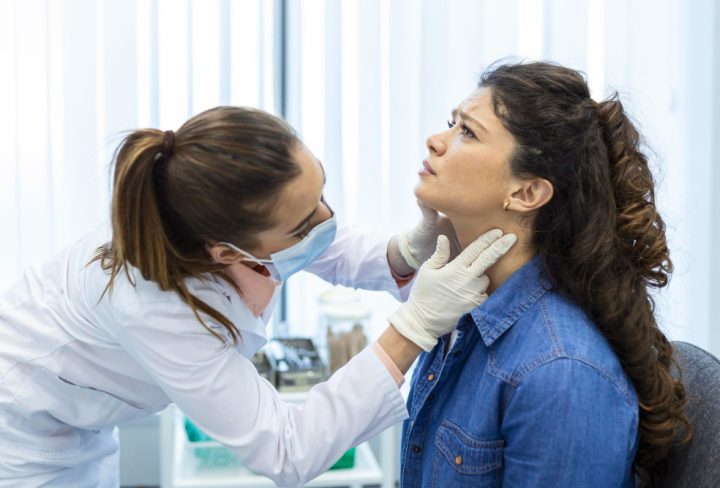
Doctors use several steps to diagnose thyroid nodules. First, they will ask about your symptoms and medical history. Next, they will examine your neck. Often, they use tests such as:
With these tests, doctors can decide if the nodule is likely to be cancerous or harmless.
When Is Surgery Necessary for Thyroid Nodules?
Not all thyroid nodules need surgery. However, surgery may be needed in certain cases. For example, surgery is often recommended if:
Therefore, your doctor will look at your test results and symptoms. Together, you can decide if surgery is the best option. For expert care, you may want to see an ENT specialist for thyroid nodules.
Non-Surgical Treatment Options
Many thyroid nodules do not need surgery. Instead, doctors may suggest:
As a result, you may avoid surgery if the nodule is small and not causing problems.
What to Expect Before, During, and After Thyroid Nodule Surgery
Before Surgery
Your doctor will explain the procedure and answer your questions. You may need blood tests or imaging studies. Usually, you should not eat or drink for several hours before surgery.
During Surgery
The surgeon will remove part or all of the thyroid gland. Most surgeries use general anesthesia, so you will be asleep. The operation usually takes a few hours.
After Surgery
After surgery, you may stay in the hospital for a day or two. You might have a sore throat or mild pain. Most people recover within a few weeks. Sometimes, you may need to take thyroid hormone pills if your thyroid is removed.
Prevention Tips and Lifestyle Guidance
While you cannot prevent all thyroid nodules, you can lower your risk. For example:
Additionally, staying healthy and managing stress can support your thyroid.
Frequently Asked Questions
If you have concerns about thyroid nodules, consult an ENT specialist for personalized advice about thyroid nodules and treatment options.