
What Are Nasal Polyps?
Nasal polyps are soft, painless growths inside the nose. They often form in the lining of your nasal passages or sinuses. Although they are not cancerous, they can cause many problems. For some people, nasal polyps are small and do not cause symptoms. However, larger polyps can block airflow and make breathing hard. Because of this, many people seek treatment for nasal polyps. Sometimes, nasal polyps surgery is needed if other treatments do not work.
Common Symptoms of Nasal Polyps
Many people with nasal polyps do not notice them at first. Yet, as polyps grow, symptoms often appear. For example, you may notice:
Sometimes, these symptoms can feel like a cold. However, if they last more than 10 days, you should see a doctor.
Causes and Risk Factors
Doctors do not know exactly why nasal polyps form. Still, certain factors can increase your risk. For instance, you are more likely to get nasal polyps if you have:
In addition, family history can play a role. If someone in your family has nasal polyps, you may be at higher risk.
How Are Nasal Polyps Diagnosed?
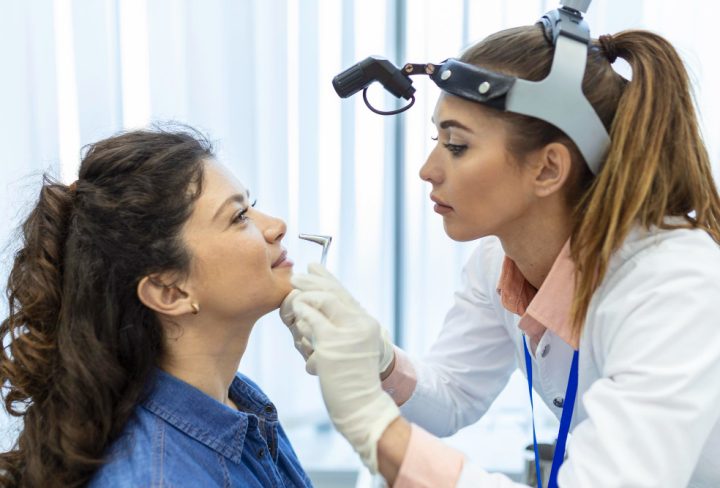
First, your doctor will ask about your symptoms. Next, they will look inside your nose using a special light. Sometimes, they may use a thin, flexible tube with a camera, called an endoscope. This helps them see deeper into your nose. In some cases, your doctor may order a CT scan. This test shows the size and location of the polyps. Because other problems can cause similar symptoms, proper diagnosis is important.
Treatment Options for Nasal Polyps
There are several ways to treat nasal polyps. Your doctor will choose the best option based on your symptoms and health. Common treatments include:
Often, these treatments help control symptoms. However, if they do not work, surgery may be needed.
When Is Surgery Needed for Nasal Polyps?
Sometimes, medicines are not enough. In these cases, nasal polyps surgery may be the best choice. You should consider surgery if:
During surgery, an ENT specialist for nasal polyps removes the growths. This is often done with a small camera and special tools. The procedure is called endoscopic sinus surgery. Because it is less invasive, recovery is usually quick. If you are looking for nasal polyps surgery in your area, ask your doctor for a referral to a trusted ENT specialist.
Recovery and Aftercare Following Surgery
After nasal polyps surgery, most people recover within a week or two. However, you may need to rest for a few days. Your doctor will give you care instructions, such as:
Because polyps can return, regular check-ups are important. With proper care, you can lower the risk of polyps coming back.
Prevention Tips and Lifestyle Guidance
While you cannot always prevent nasal polyps, you can lower your risk. For example, try these tips:
Because healthy habits can help, make them part of your daily routine.
Frequently Asked Questions
In summary, nasal polyps can affect your daily life. However, many treatments are available. If you think you may need nasal polyps surgery, consult an ENT specialist for personalized advice on nasal polyps treatment.