
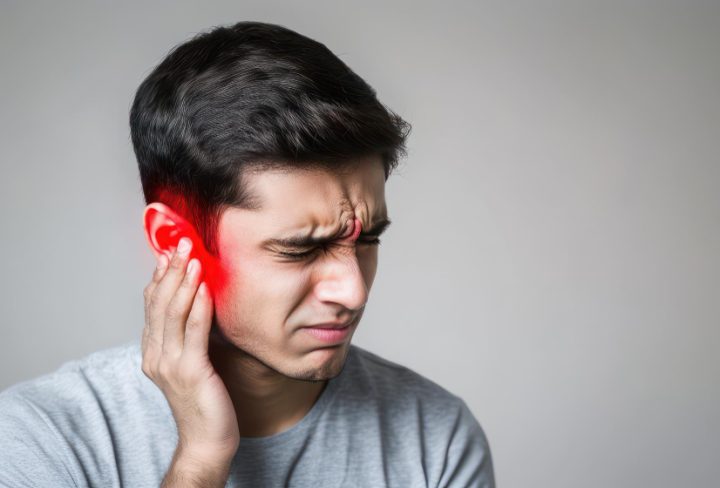
What is Swimmer’s Ear (Otitis Externa)?
Swimmer’s ear in children is a common ear infection. Doctors call it otitis externa. It affects the outer ear canal, which is the tube that runs from the outside of the ear to the eardrum. Often, this infection happens when water stays in the ear after swimming or bathing. Because of this, germs can grow and cause pain or discomfort. Children who swim often or live near pools and beaches are at higher risk. However, anyone can get swimmer’s ear, even without swimming.
Common Symptoms in Children
Early signs of swimmer’s ear in children are easy to spot. For example, your child may complain of ear pain or itching. If you notice any of these symptoms, it is important to act quickly:
Sometimes, symptoms may get worse if not treated. Therefore, watch for changes and seek help if needed.
Causes and Risk Factors
Swimmer’s ear in children usually starts when water stays in the ear canal. This moist environment helps bacteria or fungi grow. But, there are other causes and risk factors as well:
Additionally, children with narrow ear canals may be more likely to get swimmer’s ear. According to the CDC, keeping ears dry and clean helps lower the risk.
How Swimmer’s Ear is Diagnosed
Doctors can diagnose swimmer’s ear in children with a simple exam. First, they will ask about symptoms and recent activities, like swimming. Next, they will look inside the ear using a special tool called an otoscope. This helps them see redness, swelling, or fluid. Sometimes, if the infection is severe, the doctor may take a sample of the fluid for testing. However, most cases are easy to identify without extra tests.
Treatment Options for Children
Treatment for swimmer’s ear in kids is usually simple and effective. Early care helps prevent complications. Here are common treatment steps:
In rare cases, if the infection is severe, oral antibiotics may be needed. Always follow your doctor’s advice and finish all medicines as prescribed.
Prevention Tips for Parents
Preventing swimmer’s ear in children is possible with a few simple steps. For families living near pools or beaches, these tips are especially helpful:
Moreover, if your child has had swimmer’s ear before, talk to your doctor about extra prevention steps.
When to See a Doctor
While mild cases may improve with home care, you should see a doctor if:
Early treatment helps prevent serious problems. Therefore, do not wait if you are concerned.
Frequently Asked Questions (FAQ)
If your child shows symptoms of swimmer’s ear, consult an ENT specialist for personalized care.