
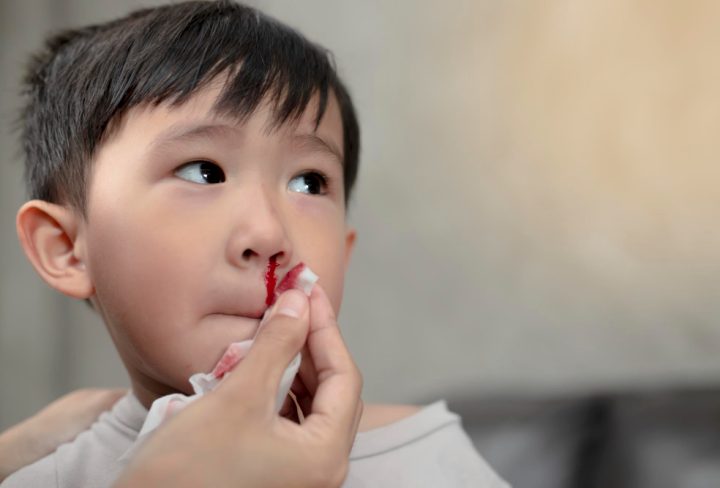
What Is Epistaxis (Nosebleeds)?
Nosebleeds, also called epistaxis, happen when blood flows from the nose. Most nosebleeds are not serious. However, frequent nosebleeds can be bothersome. Many people want to know how to prevent frequent nosebleeds. Understanding the basics helps you manage and avoid them.
Usually, nosebleeds start in the front part of the nose. This area has many tiny blood vessels. These vessels can break easily. While most nosebleeds stop on their own, some may need medical care.
Common Causes of Frequent Nosebleeds
There are many reasons why nosebleeds happen often. Knowing the causes can help you prevent them. For example, dry air is a common cause. It dries out the inside of your nose. As a result, the blood vessels become fragile and may bleed.
Other common causes include:
Sometimes, frequent nosebleeds may signal a medical problem. Therefore, it is important to watch for patterns.
Recognizing Symptoms and When to Seek Help
Most nosebleeds are easy to spot. Blood may drip from one or both nostrils. Sometimes, you may feel blood running down your throat. Although most nosebleeds are mild, some signs mean you should get help.
For instance, seek medical care if you notice:
In these cases, a doctor can check for serious problems. According to the CDC, most nosebleeds are not dangerous, but some need medical attention.
Top Tips to Prevent Frequent Nosebleeds
Preventing nosebleeds is possible with simple steps. Here are some practical tips to stop nosebleeds and keep your nose healthy:
By following these tips, you can reduce the risk of frequent nosebleeds at home.
Home Care and Lifestyle Guidance
Even with good habits, nosebleeds can still happen. However, knowing what to do at home can help. If a nosebleed starts, sit up straight and lean forward. This keeps blood from going down your throat. Next, pinch the soft part of your nose for 10 to 15 minutes. Do not tilt your head back, as this can cause choking or stomach upset.
After the bleeding stops, avoid heavy lifting or bending over for a few hours. Also, try not to blow your nose right away. If you get nosebleeds often, keep your home air moist and avoid irritants. These simple steps can make a big difference in nosebleed prevention at home.
When to Consult a Doctor
Sometimes, home care is not enough. If you have frequent nosebleeds, it is wise to see a doctor. For example, if you bleed often or the bleeding is heavy, medical advice is important. A doctor can check for health problems or adjust your medicines if needed.
In rare cases, nosebleeds may be a sign of a bleeding disorder. Therefore, do not ignore frequent or severe nosebleeds. Early medical guidance can help you stay healthy and safe.
Conclusion
In summary, most nosebleeds are not serious and can be managed at home. However, frequent nosebleeds should not be ignored. By following simple tips and making small changes, you can prevent many nosebleeds. If you have concerns or get nosebleeds often, consult an ENT specialist for personalized guidance on managing frequent nosebleeds.