
Introduction
Functional endoscopic sinus surgery, or FESS, is a modern treatment for chronic sinus problems. Doctors use a thin, flexible tube with a camera, called an endoscope, to see inside your nose. With this tool, they can remove blockages and help your sinuses drain better. As a result, FESS can help people who have not improved with medicine alone. This surgery is less invasive than older methods, so recovery is often faster. Many people find relief from long-term sinus issues after this procedure.
Symptoms and Conditions Treated by Functional Endoscopic Sinus Surgery
FESS is used to treat several sinus problems. If you have any of these symptoms, you might benefit from this surgery:
Doctors often recommend FESS for people with chronic sinusitis, nasal polyps, or sinus infections that do not get better with medicine. Sometimes, it is also used for people with certain growths or tumors in the nose.
Causes and Indications for Surgery
Many things can cause sinus problems. For example, allergies, infections, or nasal polyps may block your sinuses. When these issues do not improve with medicine, surgery may be needed. Doctors suggest functional endoscopic sinus surgery when:
In some cases, FESS is also used to treat sinus problems caused by structural issues inside the nose.
Diagnosis and Evaluation Process
Before recommending FESS, your doctor will do a careful checkup. First, they will ask about your symptoms and medical history. Next, they may look inside your nose with a small camera. This is called nasal endoscopy. Often, doctors also order a CT scan to see the sinuses in detail. These tests help find the cause of your symptoms. After that, your doctor will decide if surgery is the best option for you.
The Functional Endoscopic Sinus Surgery Procedure
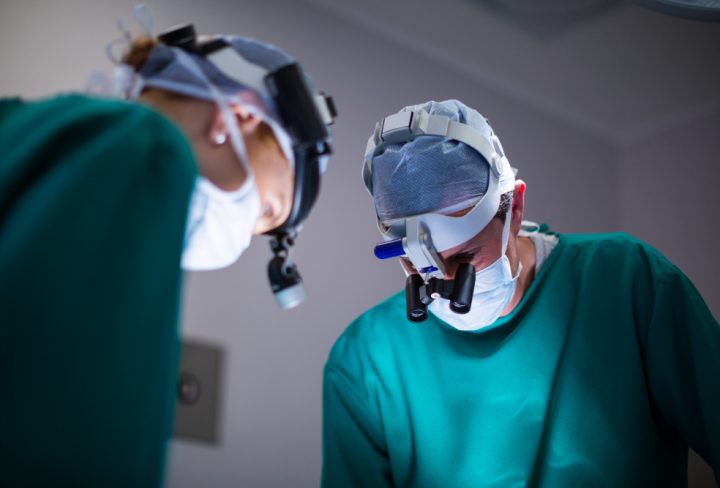
FESS is usually done in a hospital or surgery center. Here is a step-by-step overview:
Because FESS does not require cuts on the face, there are usually no visible scars. Most people go home the same day.
Recovery and Aftercare
After functional endoscopic sinus surgery, recovery is usually quick. However, you may feel some stuffiness or mild pain for a few days. To help healing, your doctor may suggest:
Most people return to normal activities within a week. But, it is important to follow your doctor’s advice for the best results. If you notice heavy bleeding, fever, or severe pain, contact your doctor right away.
Benefits and Risks
Functional endoscopic sinus surgery offers many benefits. For instance, it can:
However, like any surgery, there are some risks. These may include:
Most risks are low, especially when the procedure is done by an experienced ENT specialist. According to the CDC and peer-review ed studies, serious problems are rare.
Prevention and Lifestyle Tips for Sinus Health
Even after FESS, you can take steps to keep your sinuses healthy. For example:
With these habits, you can lower your risk of future sinus problems.
Frequently Asked Questions
For more details, always talk to your doctor or an ENT specialist.
Consult an ENT specialist for personalized advice about Functional Endoscopic Sinus Surgery.