
What is a Cochlear Implant?
A cochlear implant is a small electronic device that helps people with severe hearing loss. Unlike regular hearing aids, it does not just make sounds louder. Instead, it sends sound signals directly to the hearing nerve. Because of this, many people can hear better, even when hearing aids do not help. Cochlear implants are often used for restoring hearing with cochlear implants in both children and adults.
Who Needs a Cochlear Implant?
Not everyone with hearing loss needs a cochlear implant. Usually, doctors suggest it for people who have severe or profound hearing loss in both ears. For example, if hearing aids do not help enough, a cochlear implant for severe hearing loss might be the next step. Children born with very little hearing and adults who lose hearing later in life may both benefit. Sometimes, people with sudden hearing loss after an illness or injury are also candidates.
Symptoms and Causes of Severe Hearing Loss
Severe hearing loss can make daily life hard. Some common symptoms include:
There are many causes of severe hearing loss. For instance, it can be due to aging, infections, loud noise, or certain medicines. In some cases, it is present from birth. According to the World Health Organization (WHO), hearing loss affects millions of people worldwide.
How Cochlear Implants Work
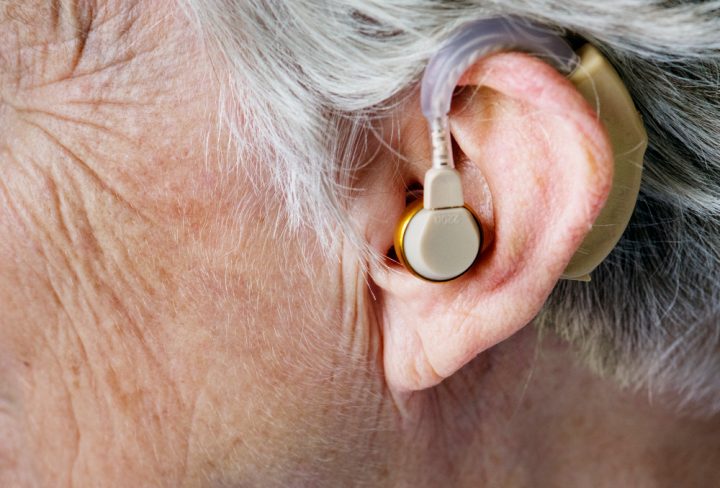
Cochlear implants have two main parts. First, there is an external part that sits behind the ear. Second, there is an internal part placed under the skin during surgery. The external part picks up sounds and changes them into electrical signals. Then, the internal part sends these signals to the hearing nerve. Because of this, the brain can receive sound information, even if the inner ear does not work well.
Diagnosis and Candidacy Evaluation
Before getting a cochlear implant, doctors do several tests. These tests check how much hearing loss you have. They also see if hearing aids help enough. For example, you may have hearing tests, speech tests, and medical exams. Sometimes, imaging tests like MRI or CT scans are needed. After all tests are done, a team of specialists will decide if you are a good candidate for the cochlear implant procedure. This team may include ear doctors, audiologists, and speech therapists.
The Cochlear Implant Procedure
The cochlear implant procedure is usually done in a hospital. First, doctors give you anesthesia, so you do not feel pain. Next, the surgeon makes a small cut behind the ear. Then, the internal part of the implant is placed under the skin and into the inner ear. The surgery often takes a few hours. Most people go home the same day or the next day. After a few weeks, the external part is fitted and turned on.
Recovery and Rehabilitation
After surgery, some people feel mild pain or swelling. However, this usually goes away in a few days. Once the implant is turned on, you will need therapy to learn how to use it. For example, speech and listening therapy helps your brain get used to new sounds. Children often need more therapy than adults. With regular practice, most people notice better hearing over time.
Benefits and Risks of Cochlear Implants
Cochlear implants offer many benefits. For instance, they can help people understand speech better and enjoy music. Many people feel more confident in social situations. However, there are some risks. These may include:
Doctors will discuss all risks and benefits before the procedure. According to the CDC, most people have good results and few problems.
Living with a Cochlear Implant
After getting a cochlear implant, life can change in many ways. For example, you may hear sounds you have not heard in years. It takes time to adjust, but support is available. Many people join support groups or work with therapists. Because the device needs care, you should follow your doctor’s advice for cleaning and maintenance. Regular check-ups help keep the implant working well.
Prevention and Hearing Health Tips
While cochlear implants help many people, preventing hearing loss is important. Here are some tips to protect your hearing:
By following these tips, you can help keep your hearing healthy for years to come.