
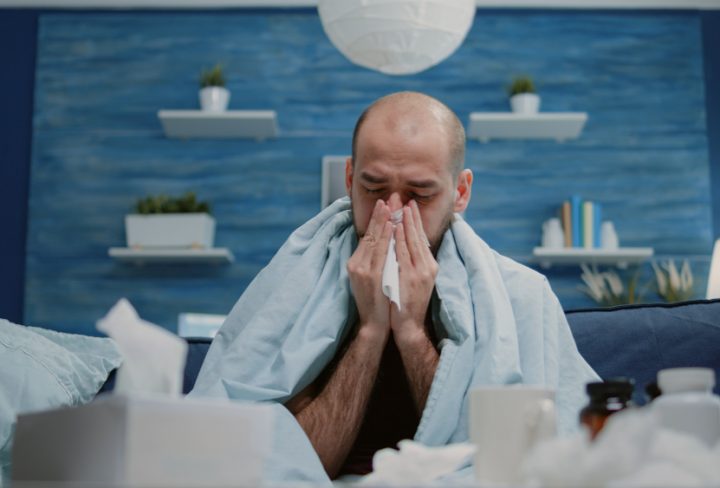
What is Chronic Sinusitis in Adults?
Chronic sinusitis in adults is a long-lasting swelling of the sinuses. The sinuses are hollow spaces in your skull that help filter air and keep your nose moist. When these spaces stay swollen for 12 weeks or more, even with treatment, it is called chronic sinusitis. Many adults experience this problem, and it can affect daily life. Because it lasts so long, it is different from a short-term sinus infection.
Common Symptoms of Chronic Sinusitis
Chronic sinusitis in adults often causes ongoing discomfort. For example, you may notice symptoms that do not go away for months. Common sinus infection symptoms include:
Sometimes, these symptoms can be mild. However, they may also become severe and affect sleep or work.
Causes and Risk Factors
There are many reasons why chronic sinusitis in adults can develop. Often, more than one factor is involved. Some common causes and risk factors include:
Additionally, people with frequent colds or who work in dusty places are at higher risk. According to the CDC, allergies and nasal problems are leading causes.
How Chronic Sinusitis is Diagnosed
Doctors use several steps to diagnose chronic sinusitis in adults. First, they ask about your symptoms and medical history. Next, they may look inside your nose with a special light. Sometimes, they use tests such as:
Because other problems can cause similar symptoms, these tests help find the exact cause. Early diagnosis leads to better treatment for chronic sinusitis.
Effective Treatments for Chronic Sinusitis
There are many options for treatment for chronic sinusitis. Your doctor will choose the best plan based on your symptoms and cause. Common treatments include:
In addition, some people benefit from seeing an ENT specialist for sinusitis. They can offer advanced care and suggest chronic sinusitis treatment near you.
Lifestyle Tips and Prevention
While treatment is important, lifestyle changes can also help. For example, you can:
Because prevention is key, these steps may lower your risk of chronic sinusitis in adults.
When to See an ENT Specialist
Sometimes, home care and basic treatments are not enough. If your symptoms last more than 12 weeks, or if they get worse, it is time to see an ENT specialist for sinusitis. Also, seek help if you have:
Early care from a specialist can prevent problems and improve your quality of life.
In summary, chronic sinusitis in adults can be managed with the right care. Consult an ENT specialist for personalized guidance on managing chronic sinusitis.